·
AI AdoptionBankingFinancial AnalysisStrategy
The Statutory Signal
AI adoption, audited. What Australian banks actually spend—not what they say—reveals who's building competitive advantage.
9,000+ Engineers
CBA now employs more engineers than Google, Canva, and Atlassian in Australia combined
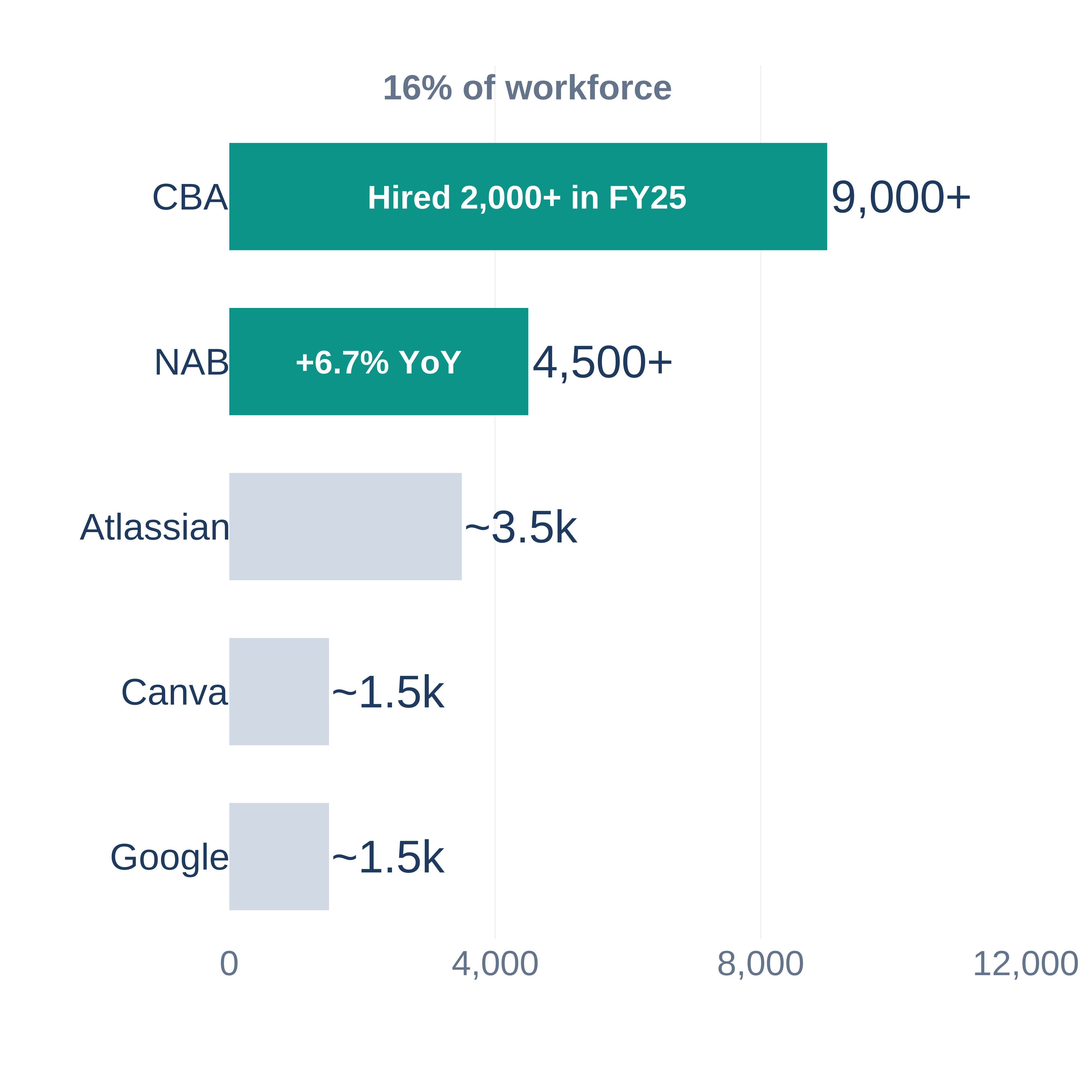
- CBA: 16% engineering density. One in six employees writes code. That’s a software company with a banking license.
- NAB builds. Peers rent. +6.7% engineering FTE growth. Meanwhile, Westpac/ANZ hold headcount flat while external spend inflates.
- Proprietary data demands proprietary talent. You can’t fine-tune models on customer data if your engineers work for Accenture.
Cash → Code
Capitalisation rate reveals who’s building IP vs. renting it
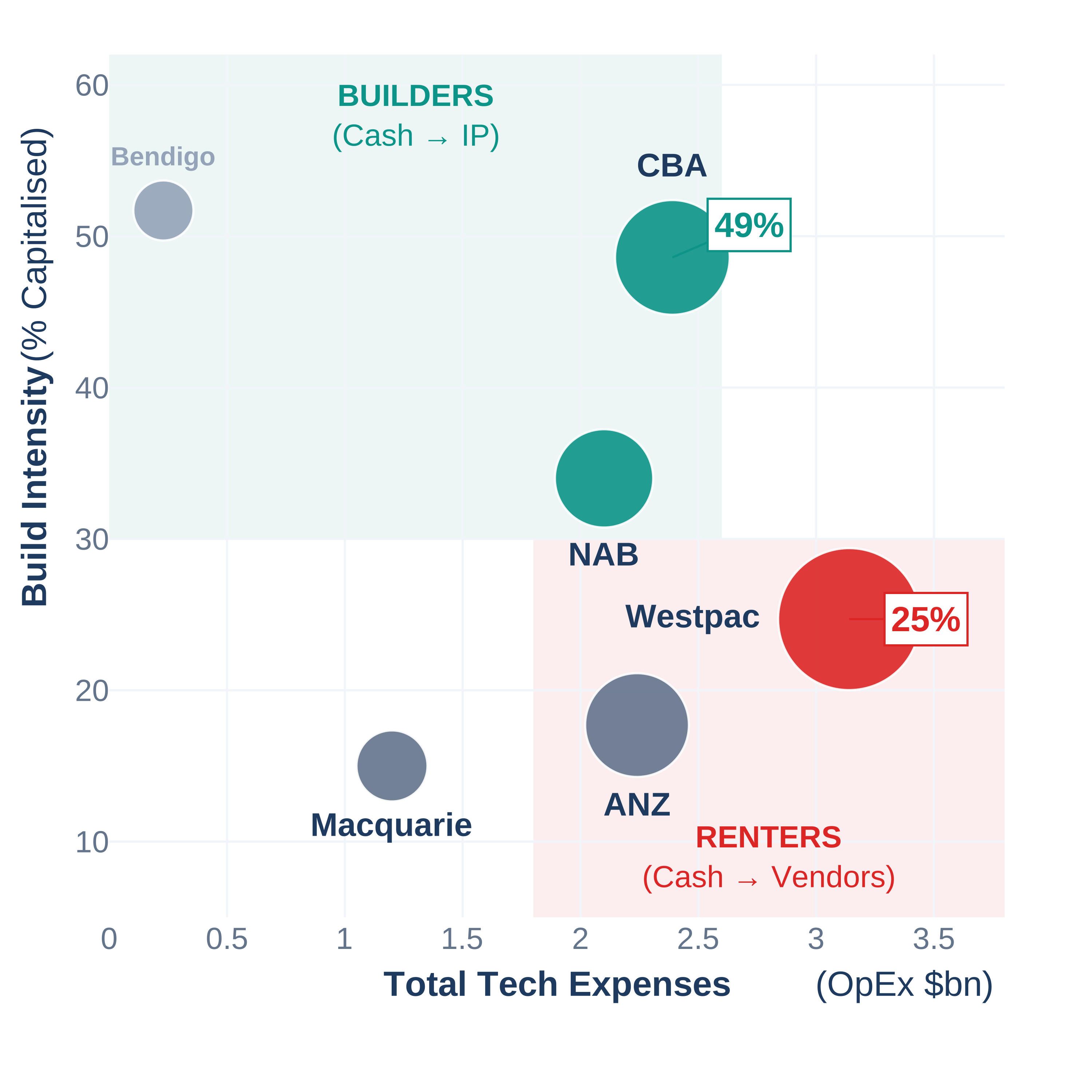
- Westpac: $3.14bn in, 25% capitalised. Three-quarters evaporates as run cost. No durable asset formed.
- CBA: 49% capitalisation. Every second dollar becomes owned IP on the balance sheet.
- Macquarie: 15% build intensity. Deliberate exit from the asset game. (See next section.)
Westpac rents its intelligence. CBA compounds it.
The Counter-Bet
Macquarie exits the build phase
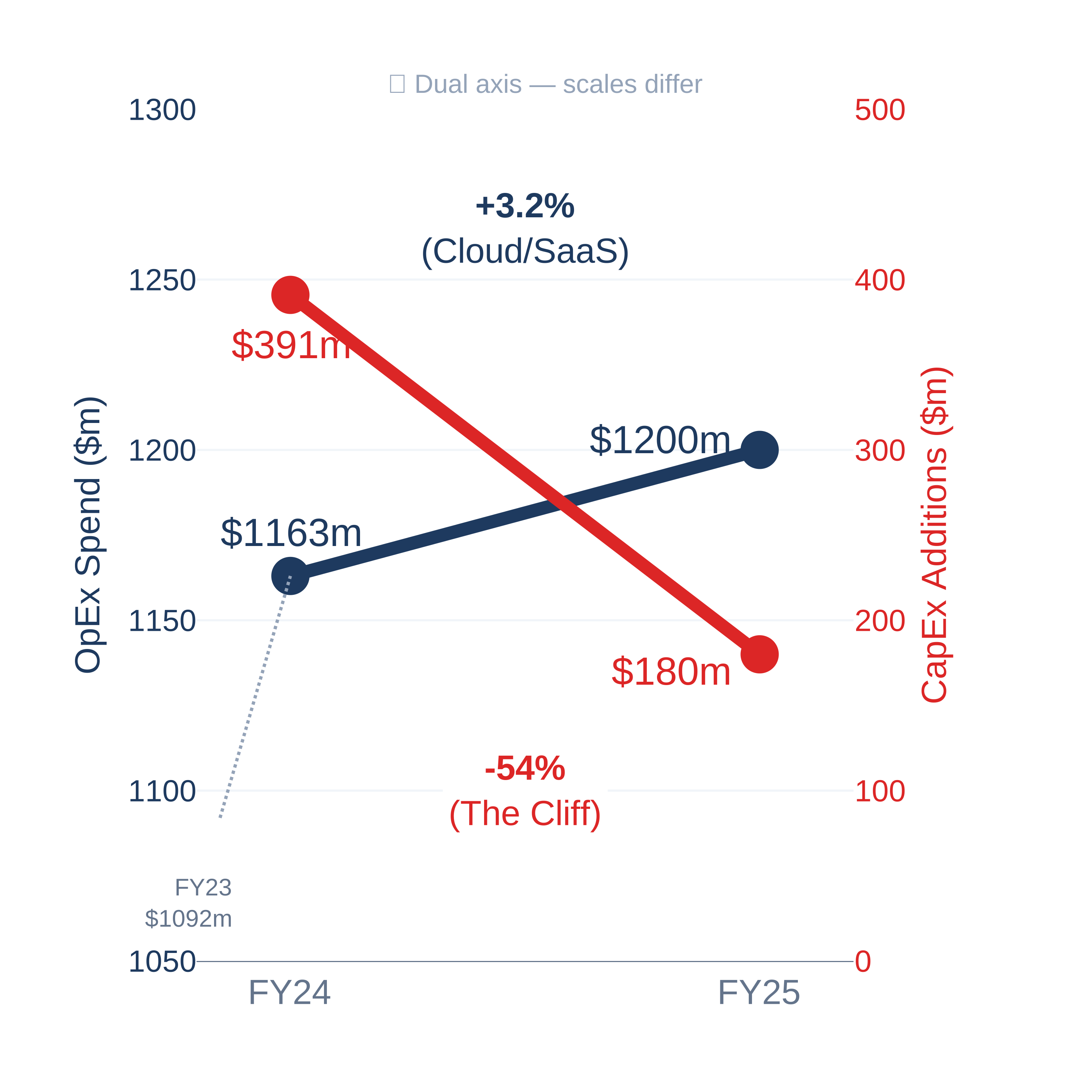
- Peers build assets. Macquarie buys outcomes. Deliberate shift from fixed IP to variable SaaS.
- -54% CapEx additions (FY25). Software capitalisation collapsed from $391m to $180m. The build phase ended.
- The wager: SaaS ROE > depreciating proprietary code. Asset-light in a balance-sheet industry.
The Outsourcing Tax
Freeze headcount. Inflate vendors.
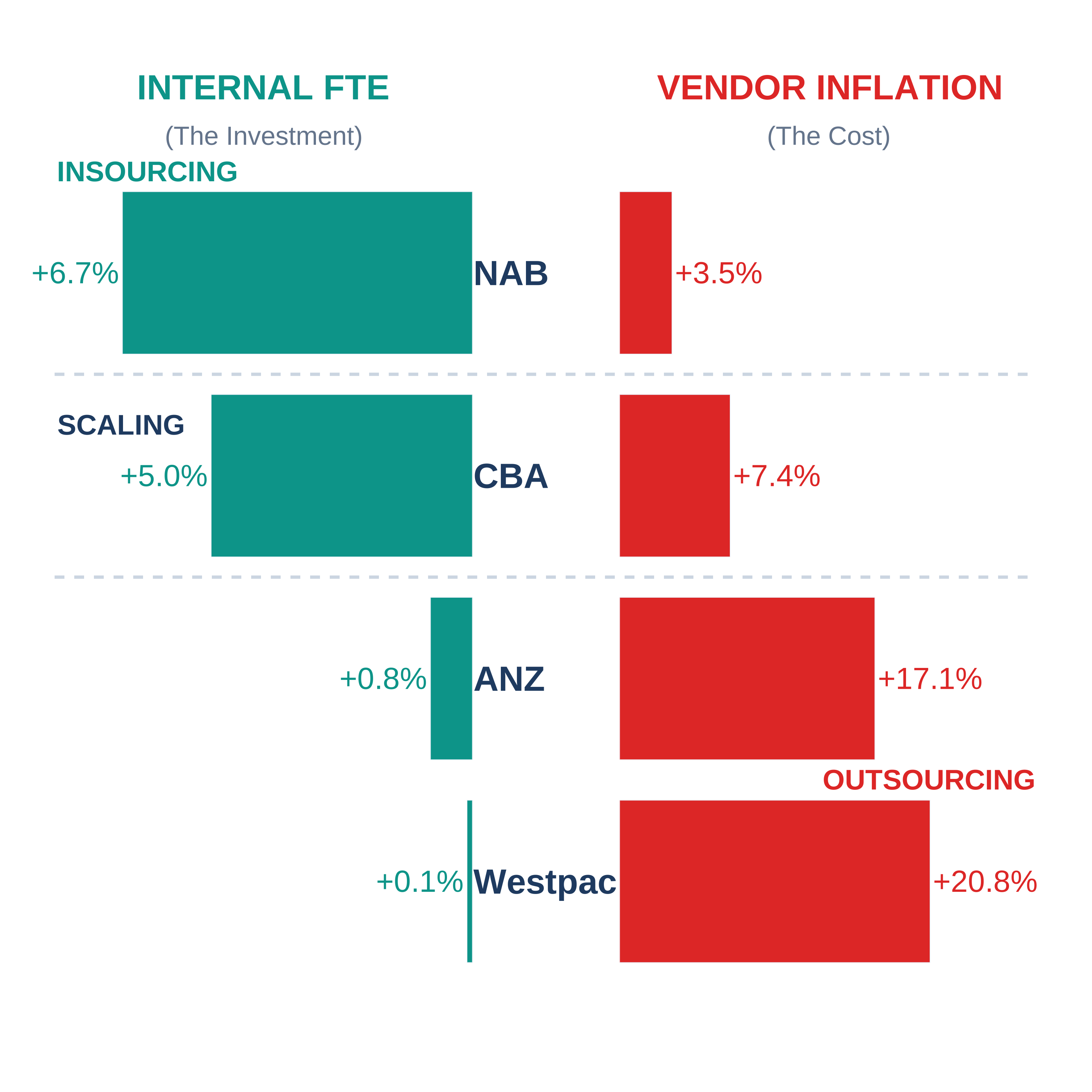
- Westpac/ANZ froze hiring to cut costs. Demand didn’t disappear—it migrated to vendors. Result: +17-21% services inflation.
- NAB insourced instead (+6.7% FTE). Productivity captured internally. External inflation capped at 3.5%.
- Model costs fall. Integration costs rise. Without internal density, you pay someone else’s margin to deploy the tools.
The Capability Void
Everyone has fraud AI. The gap is everything else.
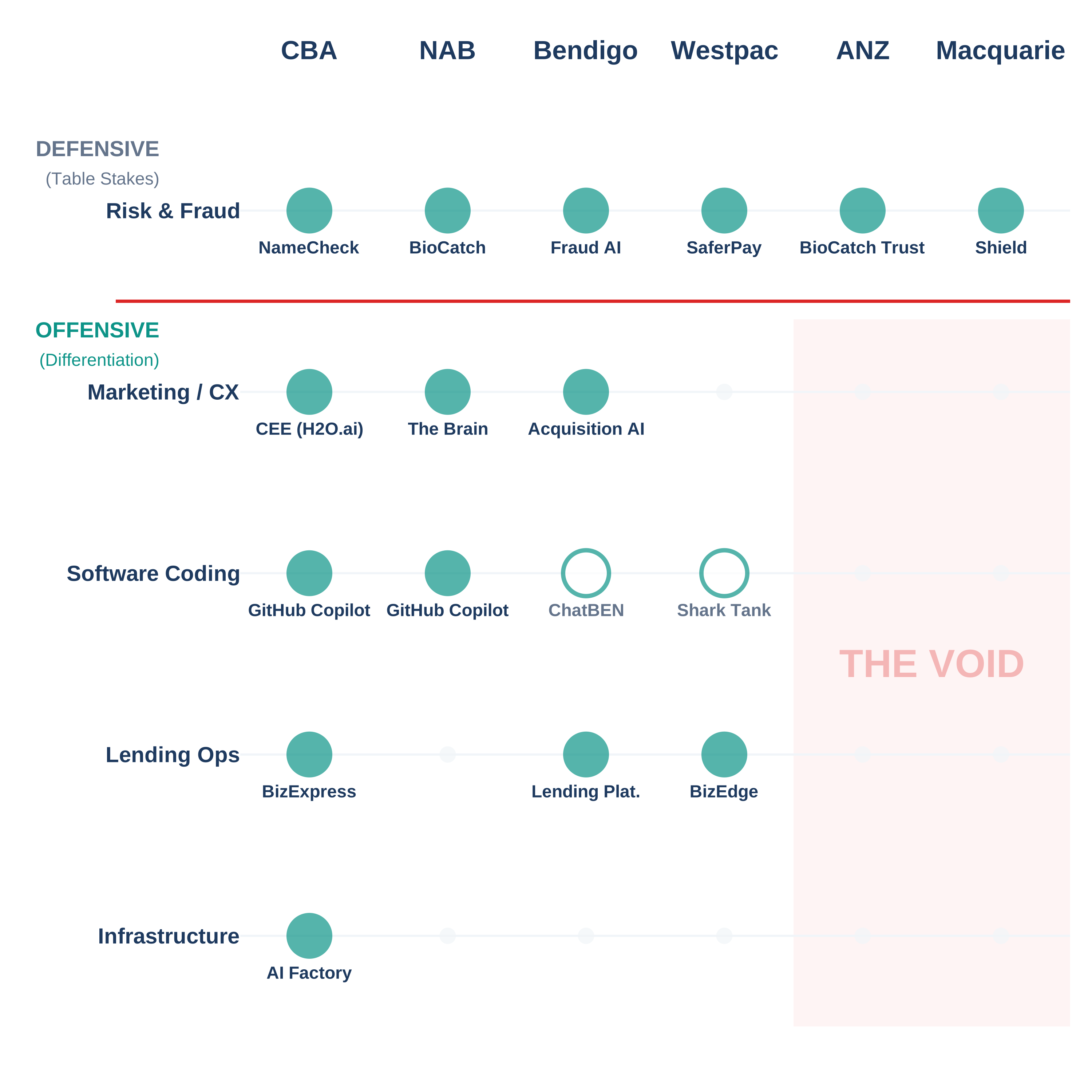
- Fraud AI is universal. Every bank has it (SaferPay, BioCatch). Regulatory mandate, not competitive advantage.
- CBA is the only full-stack deployer. Verified AI in all five categories: Fraud, Marketing, Coding, Lending, Infrastructure.
- The Void: ANZ and Macquarie have disclosed nothing beyond fraud. Westpac has a single lending tool. NAB is strong but has gaps.
2 Hours vs. 14 Days
What full-stack AI deployment enables
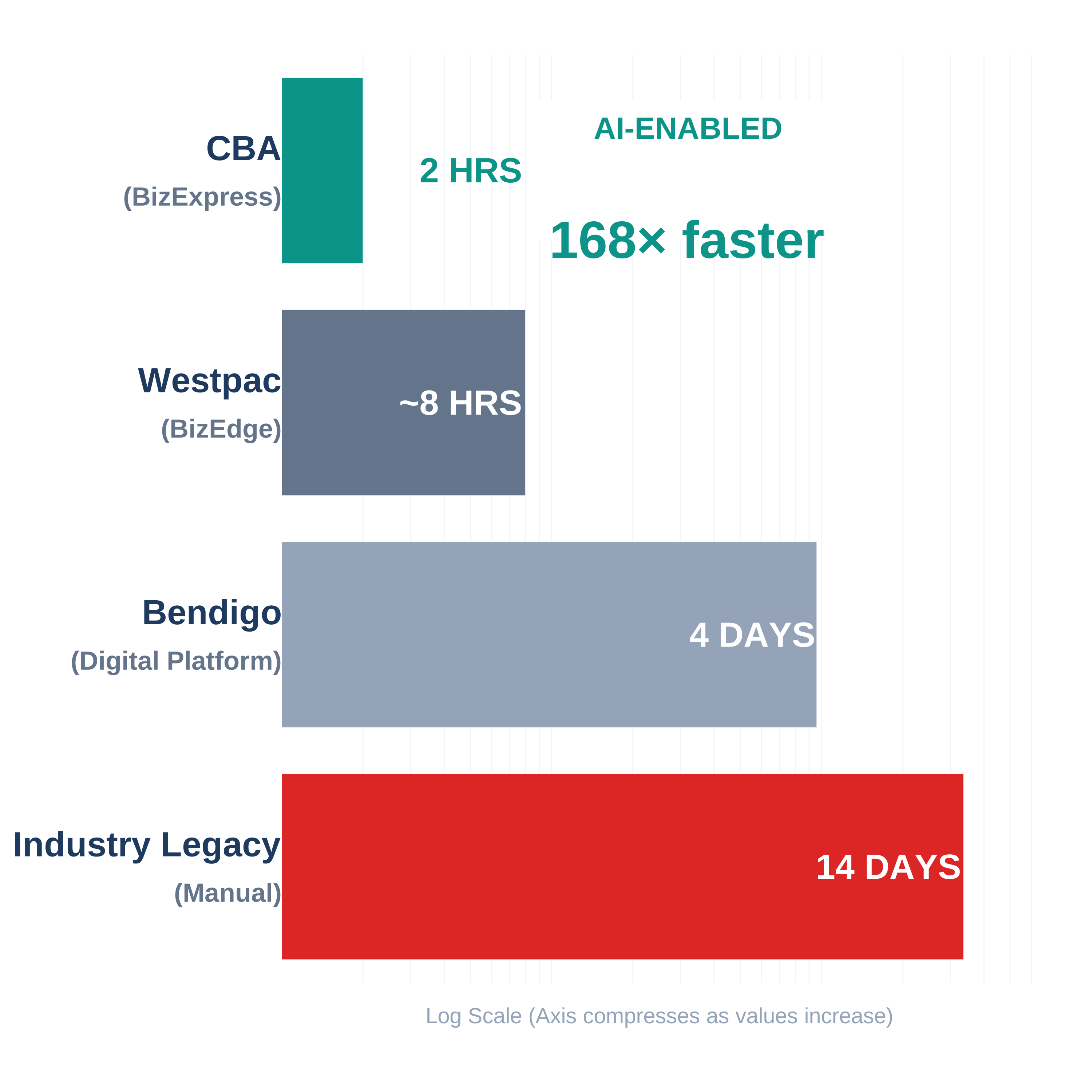
- AI compresses decision cycles. CBA’s lending AI (BizExpress) delivers 2-hour approvals—168× faster than manual processing.
- Speed is the new pricing power. In broker channels, same-day response wins the deal. Multi-day wait loses it.
- The gap is structural. Banks without production lending AI cannot match this velocity.
Ledger, Not Lobby
Auditing the receipt, not the press release
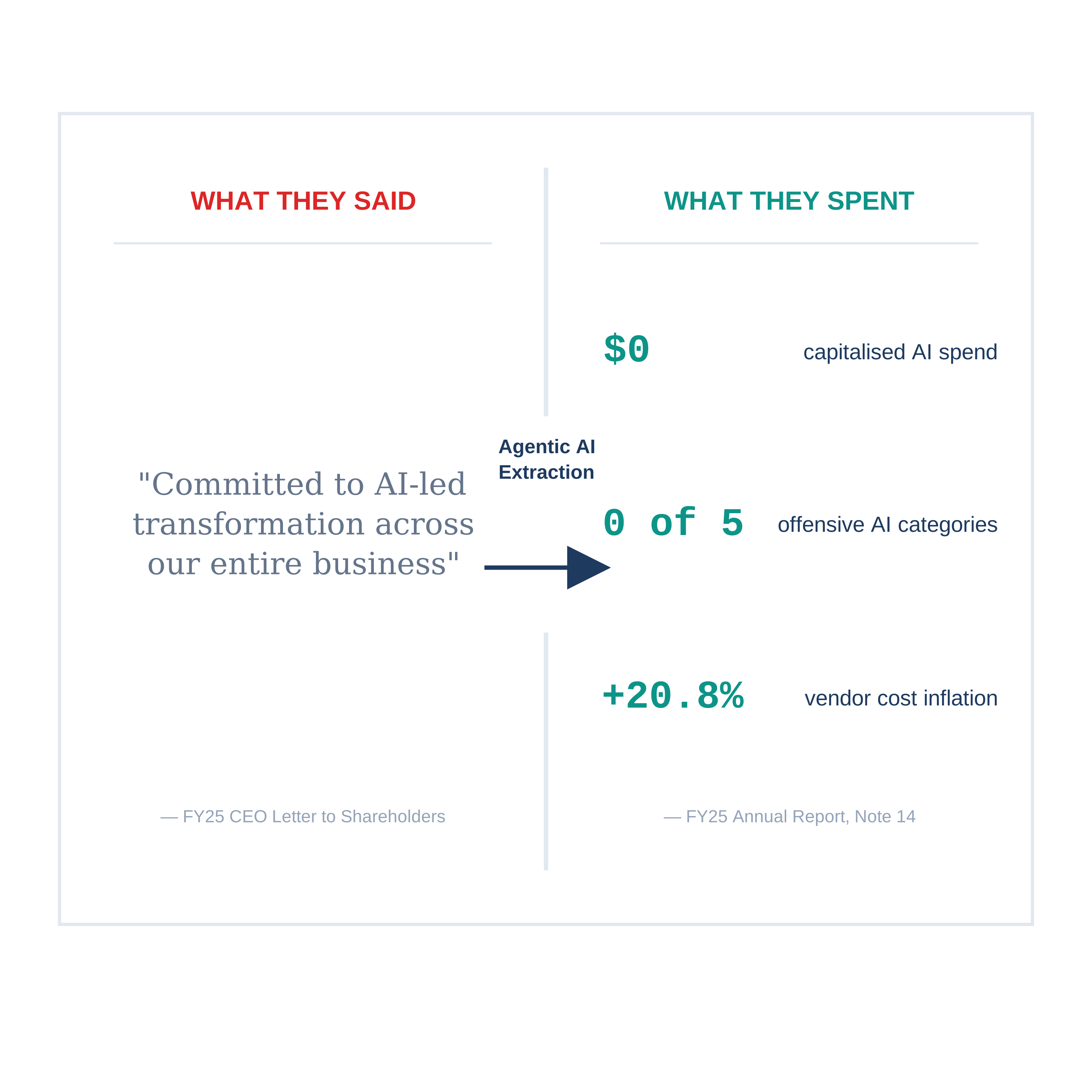
- Surveys measure intent. Filings measure action. Every “AI Readiness” score you’ve seen was based on what management said. This analysis is based on what they spent.
- Source: audited statutory notes. Amortisation schedules. Capitalised labour. Vendor disclosures. Not interviews. Not surveys. Receipts.
This dataset doesn’t estimate AI adoption. It audits the receipt.